
The Craftsman Garden

“In other words, the true Craftsman garden, like the Craftsman home, will be the outcome of working along simple but careful lines. And the owner, if he wishes to keep as close as possible to natural beauty, will let the peculiarities of the site, the formation of the soil and the kind of local vegetation suggest the most appropriate plants and the best way to use them.
He will try to take advantage of each irregularity, and work with Nature, coaxing, guiding and bending her to the result desired, rather than trying to force her to fit some rigid, predetermined scheme. In this way he will bring into his garden an atmosphere of naive restfulness and charm, so that it will grow more winsome and lovable with each passing season.”— Craftsman Houses: A Book for Home-Makers, Gustav Stickley
Growing up, I loved hearing the story of my aunt purchasing a Craftsman-style home directly from a Sears catalog. Looking back, it feels almost paradoxical that a movement rooted in rejecting cheap mass production became wildly popular in America through one of the era’s newest conveniences, the mail-order house kit.
The Arts and Crafts movement began in Britain as a response to the Industrial Revolution’s flood of poorly made goods and the impersonal division of labor. Visionaries like William Morris championed a return to craftsmanship, emphasizing honesty of materials, simplicity, and functional beauty as a way to improve everyday life.
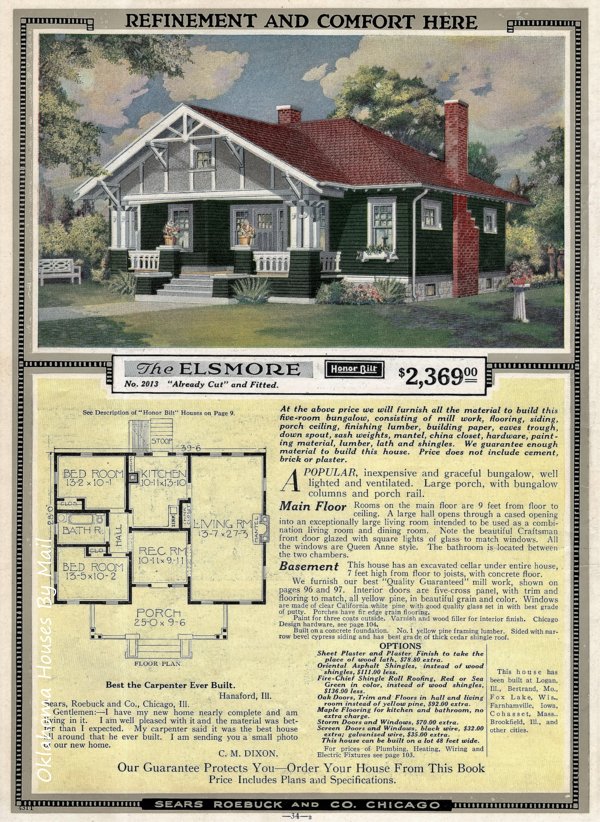
By the early twentieth century, these ideals evolved into a uniquely American interpretation. The name Craftsman was popularized by furniture maker Gustav Stickley through his magazine The Craftsman, first published in 1901. While the British Arts and Crafts movement often catered to luxury markets, Stickley’s design plans and Sears’ affordable kit homes made the aesthetic accessible to the American middle class.
Through world wars and economic hardship, these modest, socially centered homes and landscapes offered a refreshing contrast to the ornate Victorian homes and highly formal gardens that preceded them. Craftsman bungalows, particularly those associated with California architecture, featured low-pitched roofs, wide porches, and open layouts designed to encourage family connection and indoor-outdoor living.
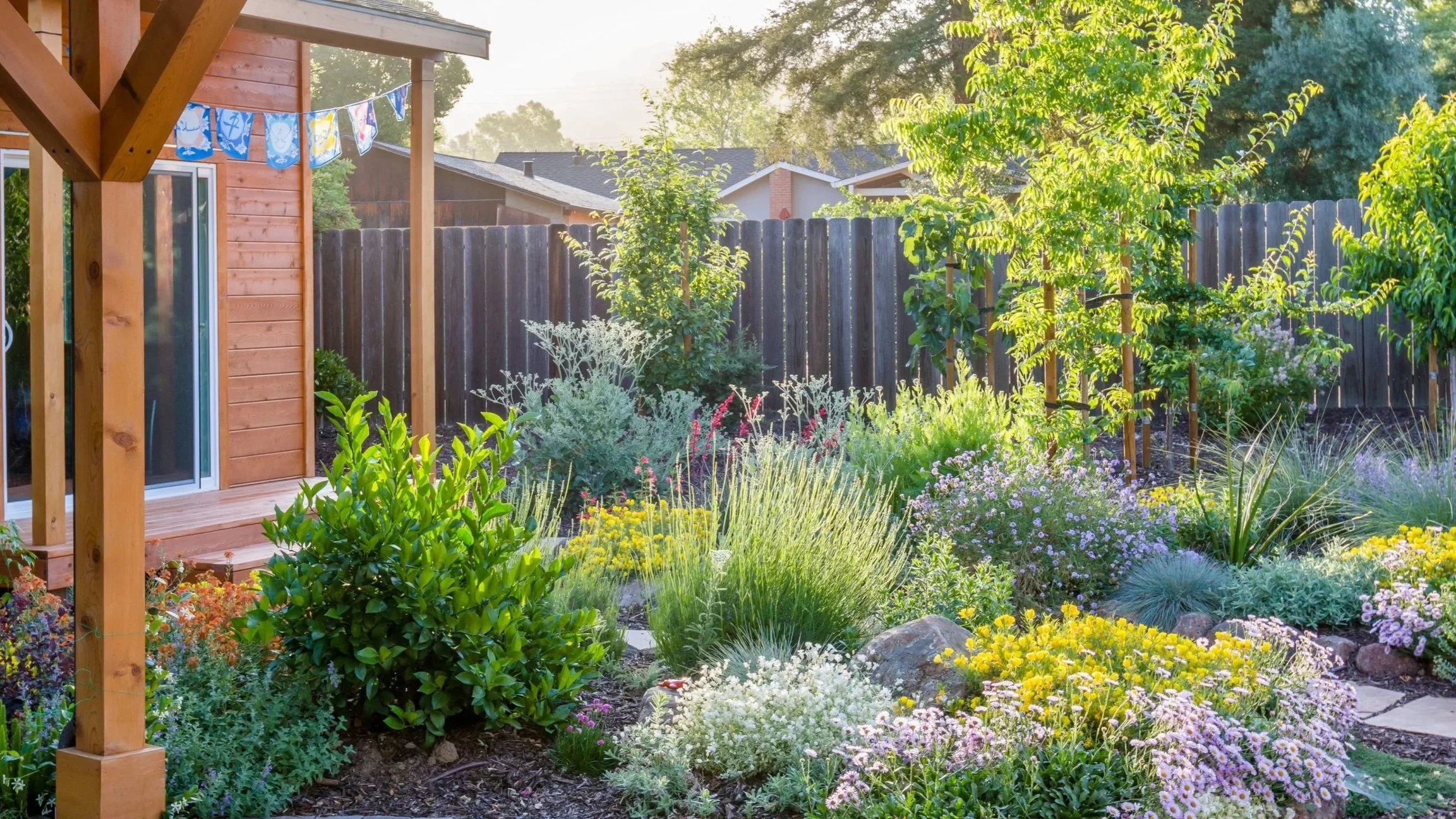
A Craftsman home celebrates natural materials, often showcasing unpainted oak or mahogany built-ins and stained-glass windows featuring organic plant motifs. This reverence for nature extends seamlessly into the surrounding landscape, where the garden functions as an extension of the home through terraces, sleeping porches, and welcoming front entries. Unlike the rigid bedding plant schemes of Victorian gardens, Arts and Crafts landscapes embrace nature rather than controlling it. The result is a landscape defined by intimacy, authenticity, and quiet harmony.
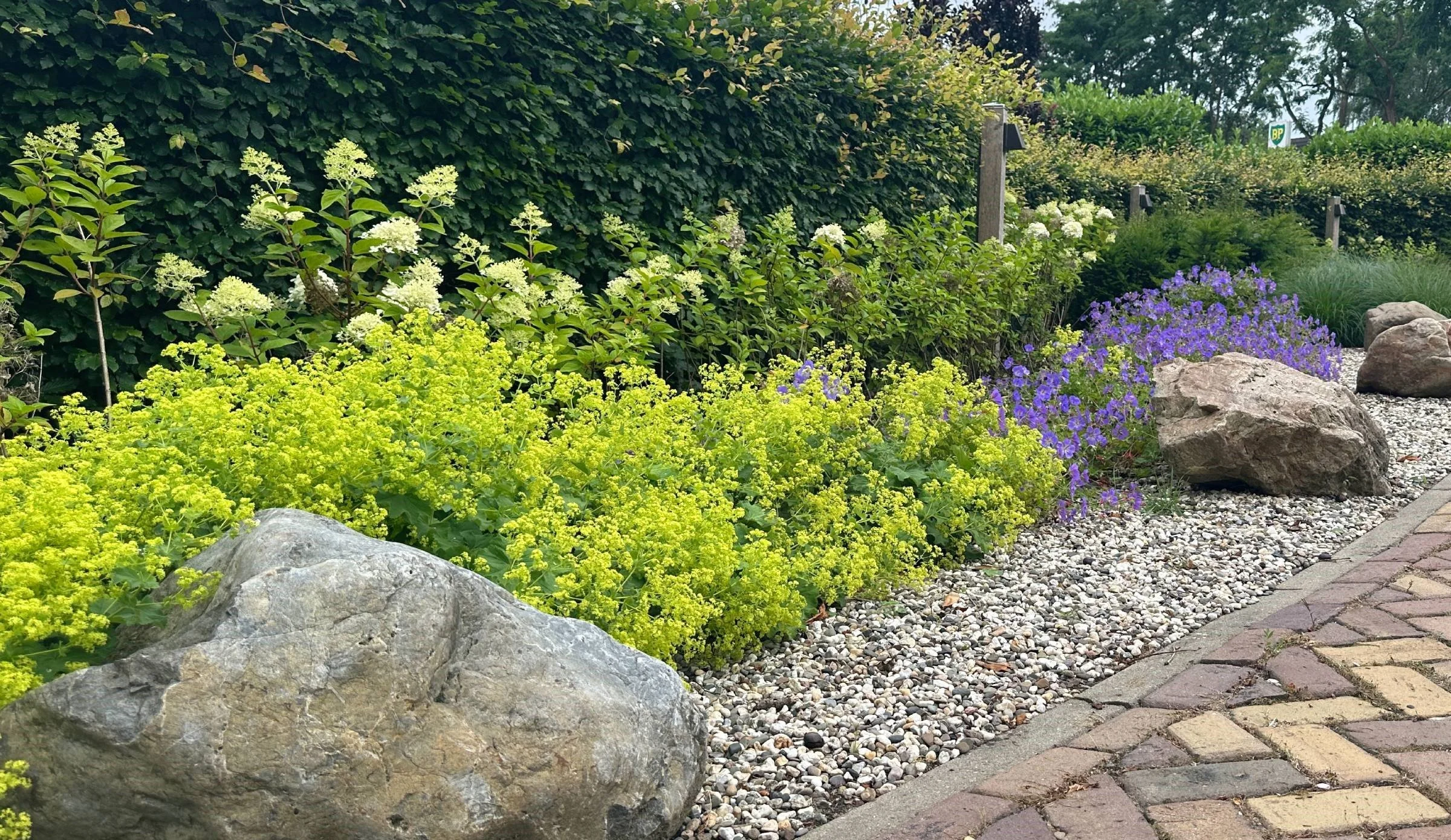
Signature Craftsman gardens reduce large expanses of lawn in favor of naturalized, asymmetrical plantings connected by winding paths of wood mulch, cobble, or flagstone. Groundcovers are often used extensively to reduce maintenance while mimicking natural woodland layers. Japanese garden design heavily influenced Craftsman landscapes, particularly in the thoughtful placement of stone, picturesque water features, and the use of rustic pergolas and arbors.
Privacy is achieved not through imposing fences but through grade changes and layered plantings of shrubs, trees, and perennials. Dry-stacked stone walls and water features designed to attract birds further reinforce the sense of sanctuary. Today, Craftsman gardens continue to inspire restoration projects and new landscapes seeking a slower, more intentional relationship with nature. Below are several plants that capture the spirit of the Craftsman garden.
Arts & Crafts Style Garden Plant List
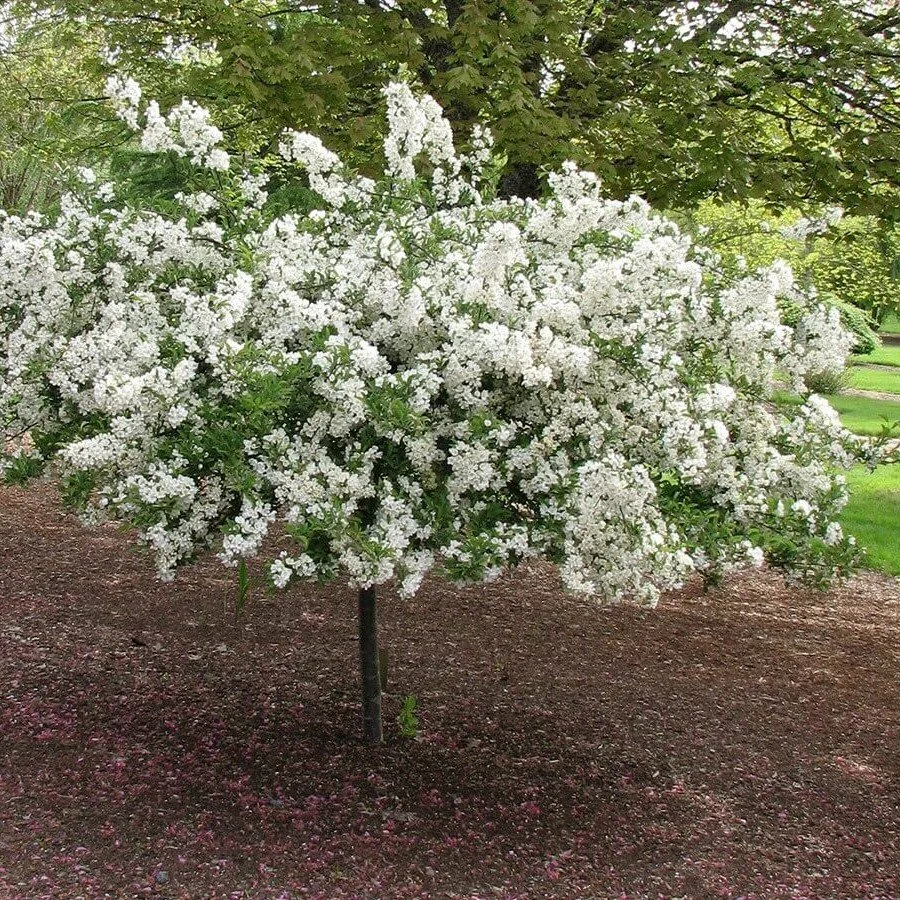
Malus sargentii
Sargent Crabapple
A small, multi-season ornamental tree perfectly scaled for bungalow landscapes. Spring flowers give way to decorative fall fruit that supports birds and wildlife. Ideal near entryways or gates.
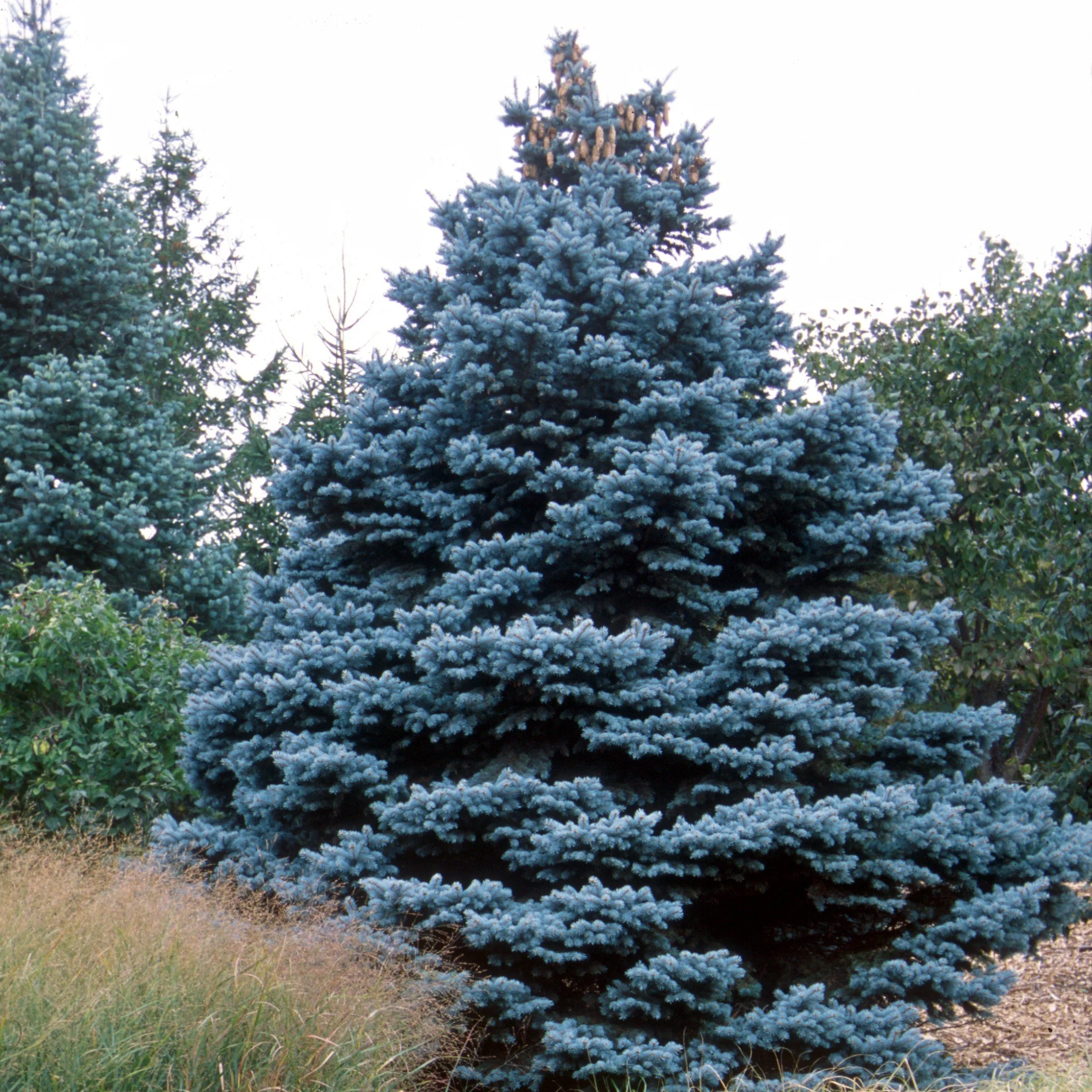
Picea pungens
Colorado Blue Spruce
A stately evergreen that provides strong structure and winter interest. Best suited for properties with adequate space where its architectural form can be appreciated without crowding.
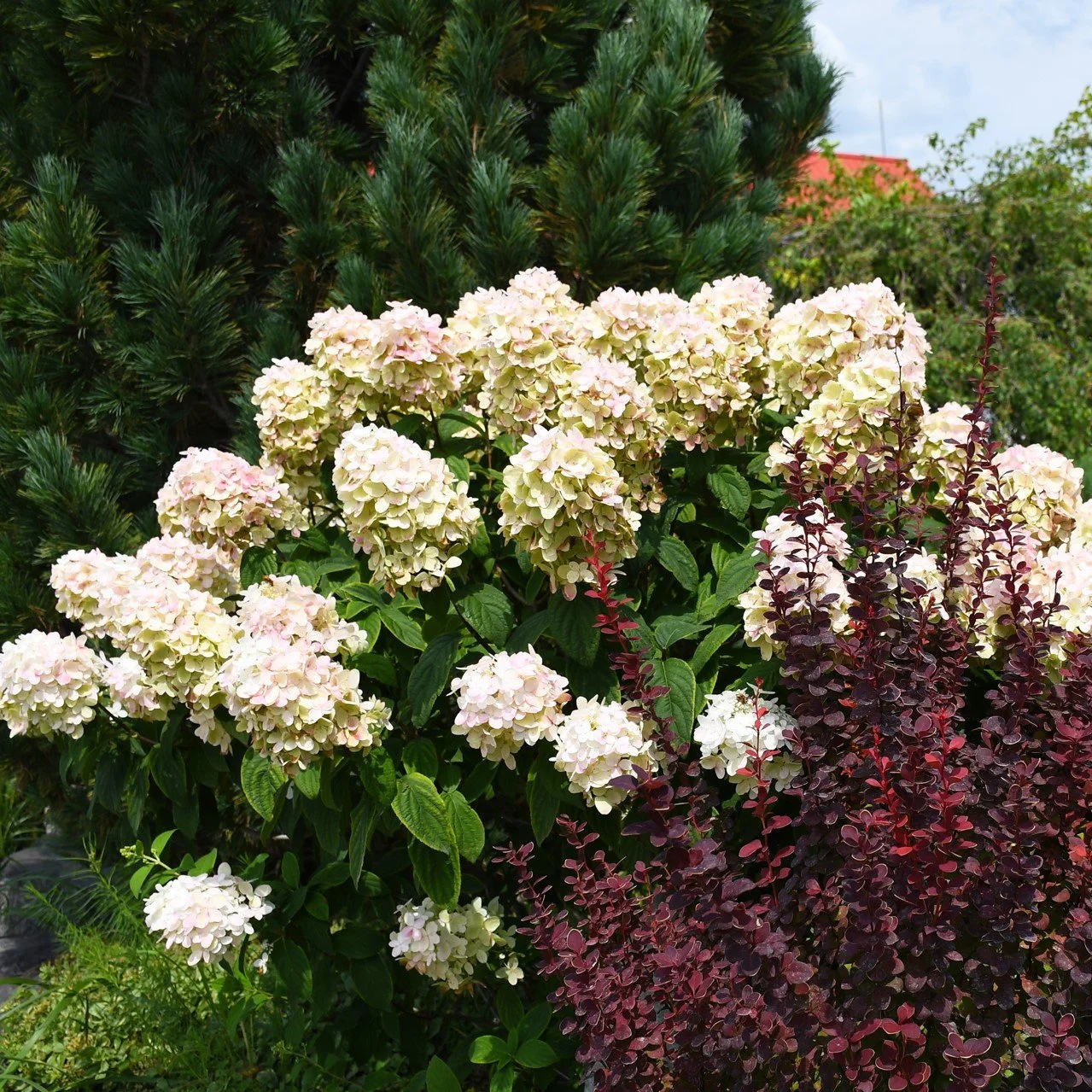
Hydrangea paniculata ‘Bobo’
Dwarf Panicle Hydrangea
A compact modern cultivar that maintains the nostalgic charm of traditional panicle hydrangeas. Provides long-lasting summer blooms while fitting comfortably into smaller foundation plantings.
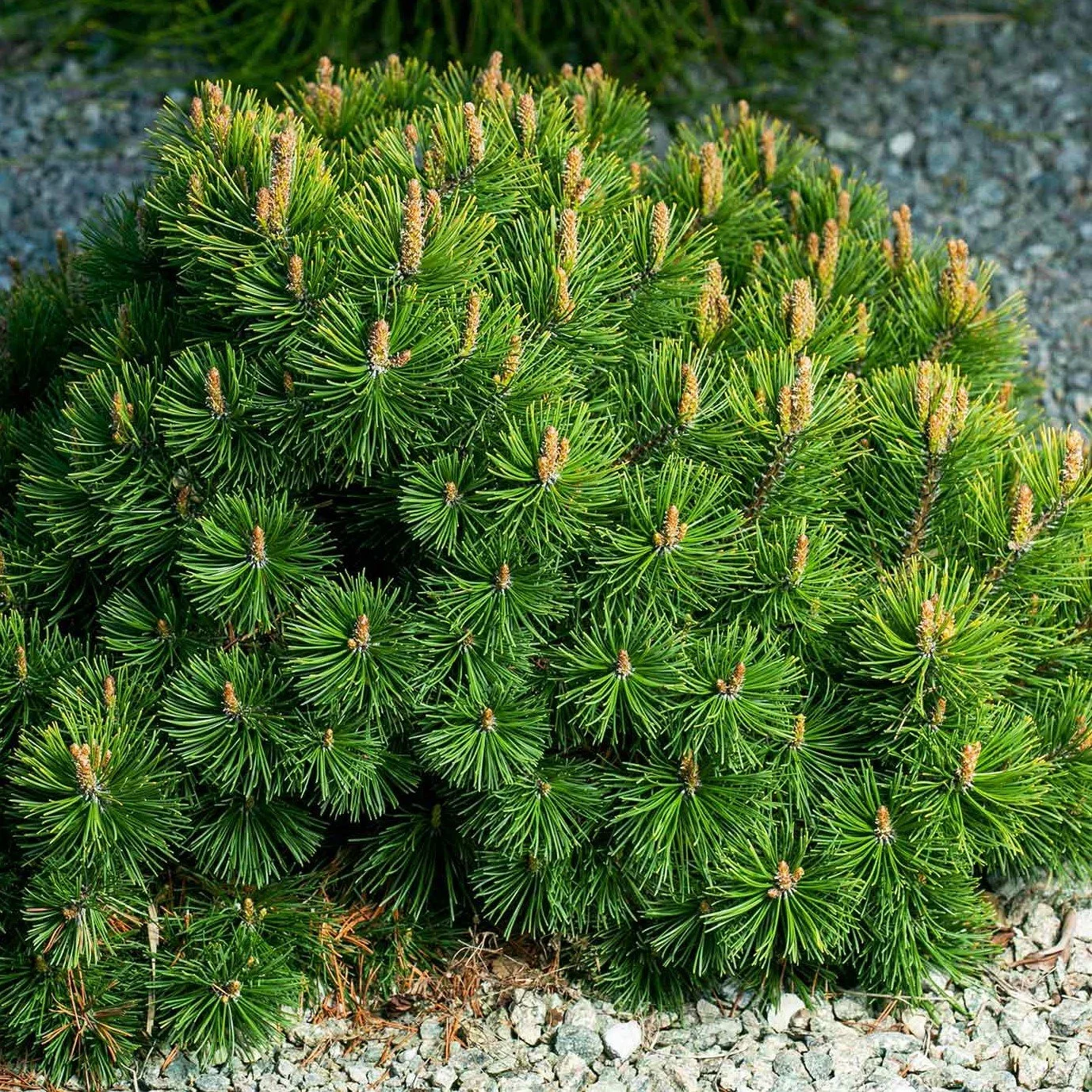
Pinus Mugo
Dwarf Mugo Pine
A dense, textured evergreen shrub that pairs beautifully with stonework. Its rugged, natural form complements the handcrafted feeling of Craftsman hardscaping.
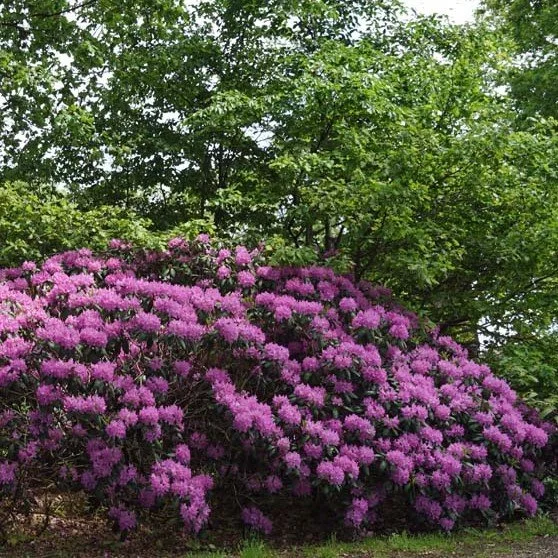
Rhododendron ‘Roseum Elegans’
Roseum Elegans Rhododendron
A classic evergreen shrub frequently used in early bungalow landscapes. Provides reliable spring color and dense foliage for massing and privacy.
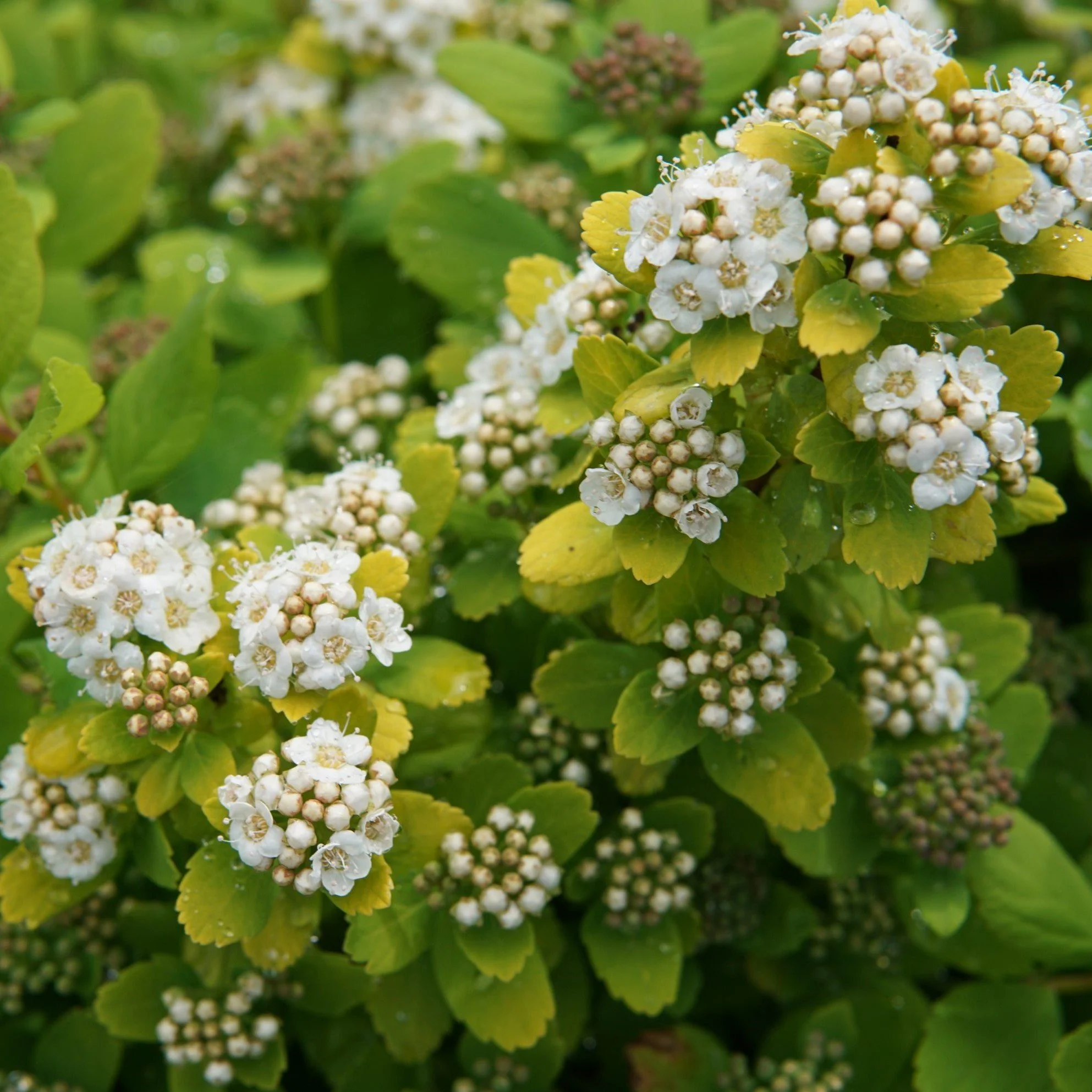
Spiraea betulifolia ‘Glow Girl’
Birchleaf Spirea
While Spirea bumalda was very popular during this time period, it has been recognized as being invasive. Birchleaf Spirea is not invasive and in my opinion a much prettier plant. A cheerful, compact shrub offering bright spring blooms and vibrant fall foliage. Its fresh color palette blends old-fashioned charm with contemporary garden performance.
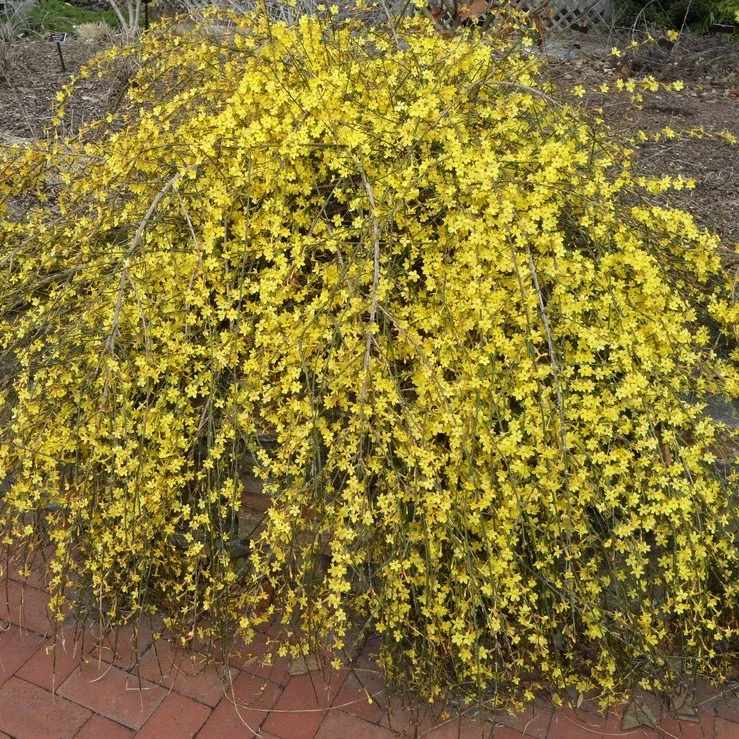
Jasminum nudiflorum
Winter Jasmine
A graceful, arching shrub that produces bright yellow flowers in late winter. Particularly effective cascading over stone walls or softening steps and slopes.
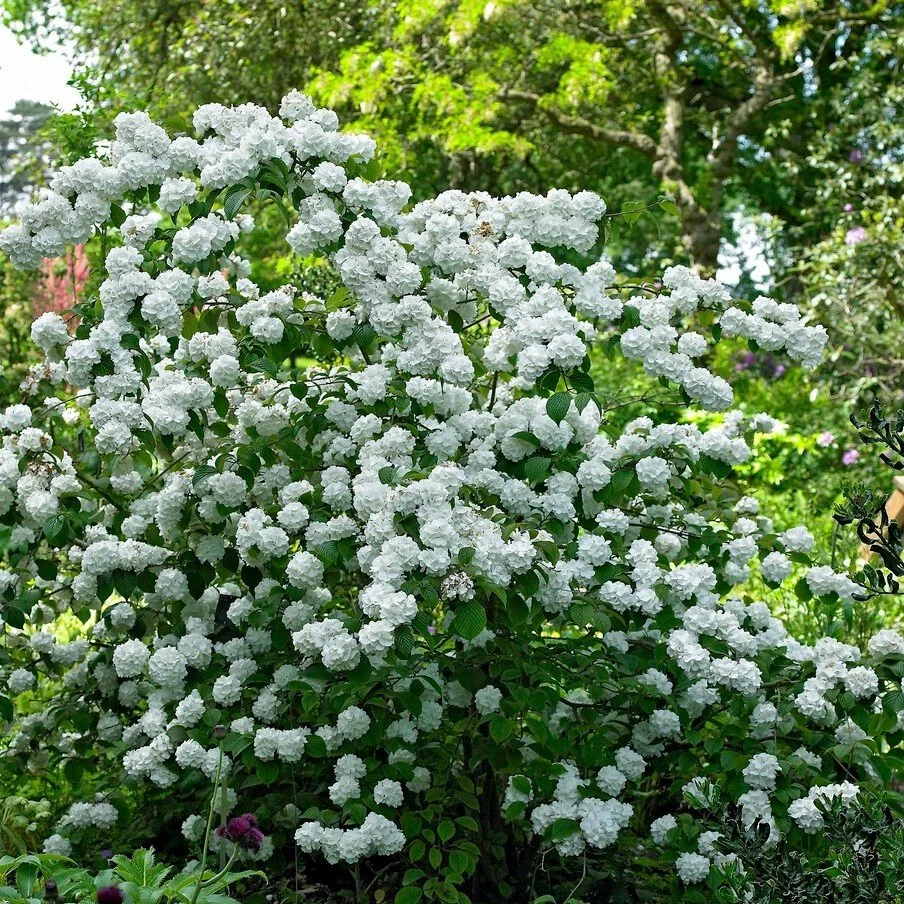
Viburnum opulus ‘Roseum’
Snowball Viburnum
An iconic heirloom shrub producing large spherical white flowers in spring. Works well as a specimen or informal hedge, lending strong period authenticity.
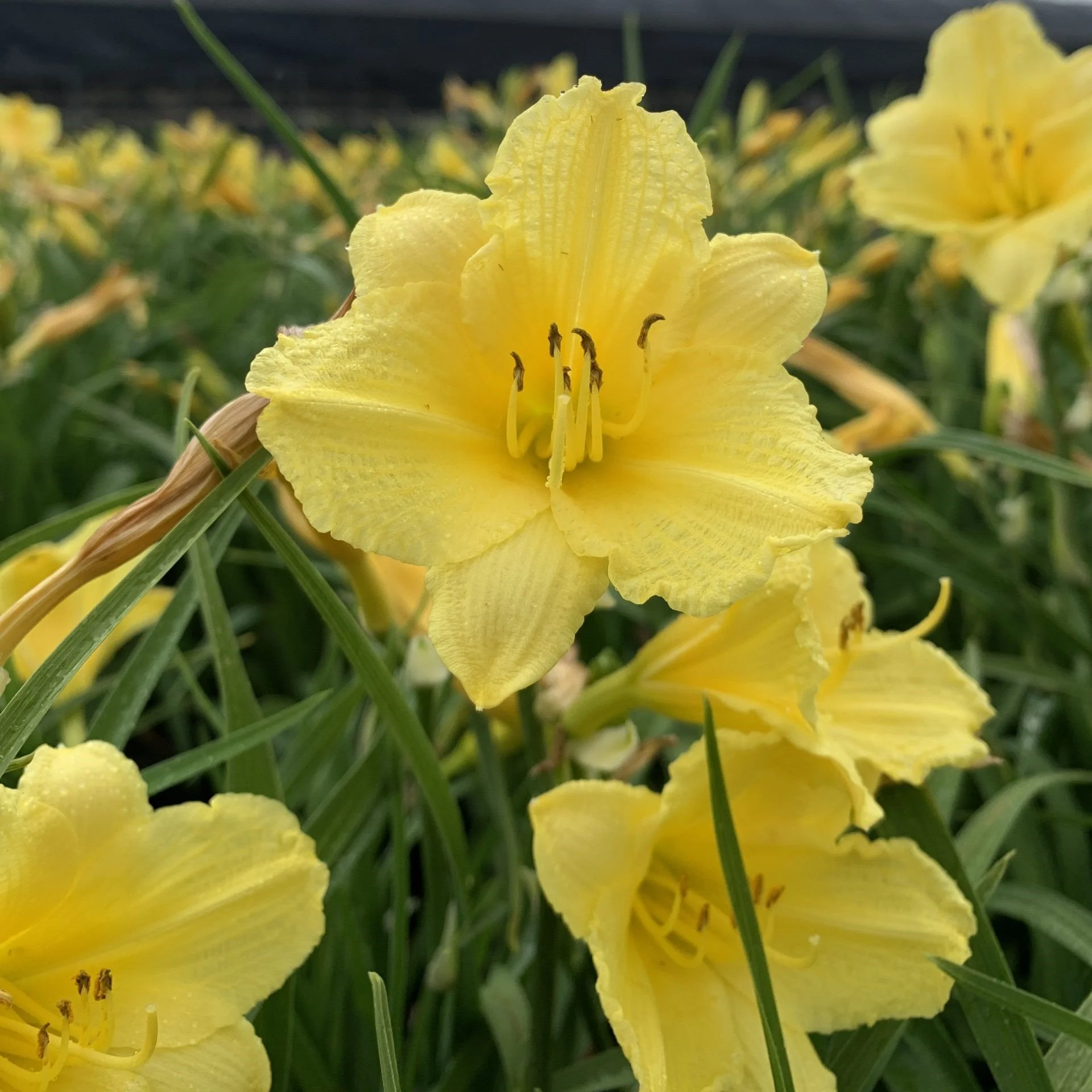
Hemerocallis ‘Happy Returns’
Reblooming Daylily
Lemon Daylily would have been the choice during the craftsman era, but it is not longer widely in production. Happy Returns is reliable, alternative offering cheerful yellow flowers throughout the growing season. Its durability and informal growth habit fit naturally into Craftsman planting schemes.
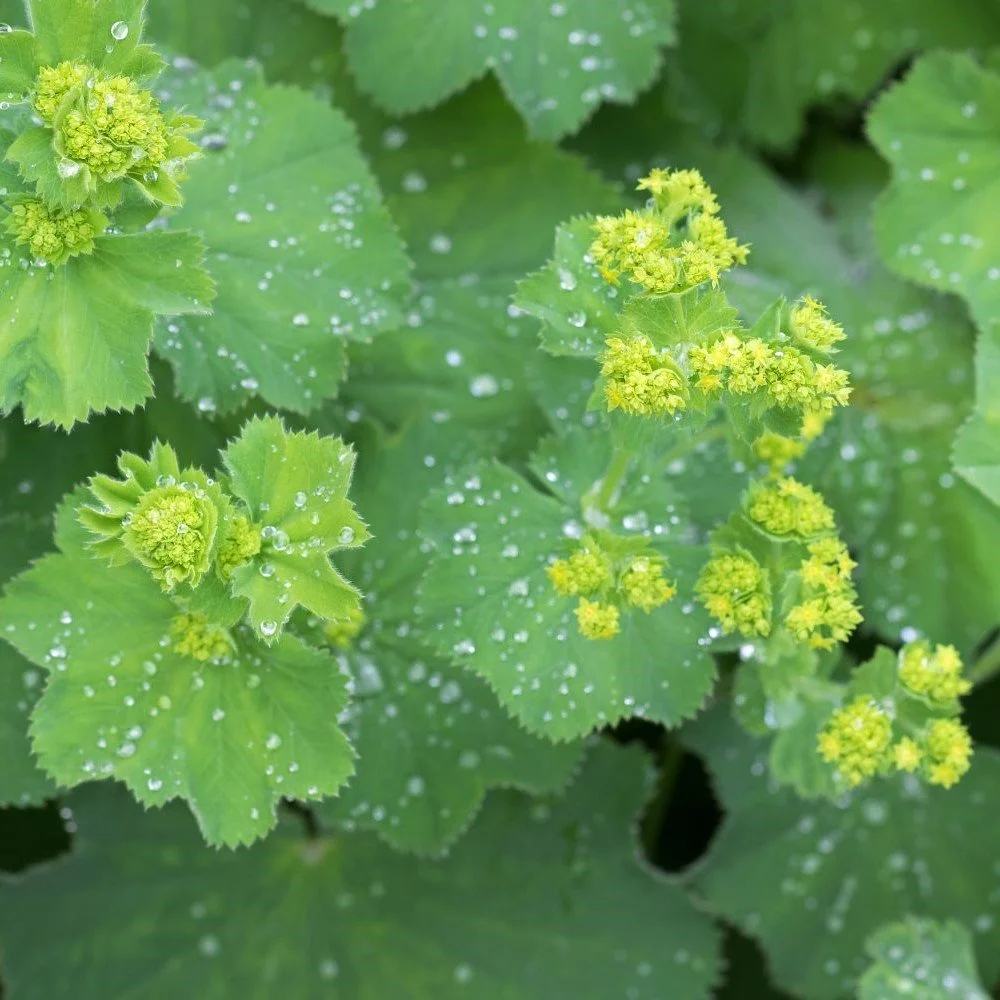
Alchemilla mollis
Lady’s Mantle
Valued for its soft, scalloped foliage and airy chartreuse blooms. Its delicate texture pairs beautifully with stone paths and edging plantings.
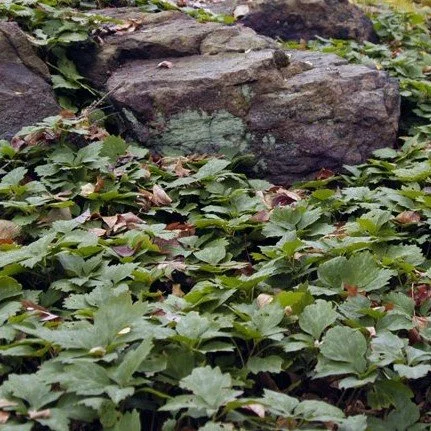
Pachysandra procumbens
Allegheny Spurge
A native alternative to invasive Japanese pachysandra. Provides handsome evergreen groundcover with subtle spring flowers while supporting regional ecology.
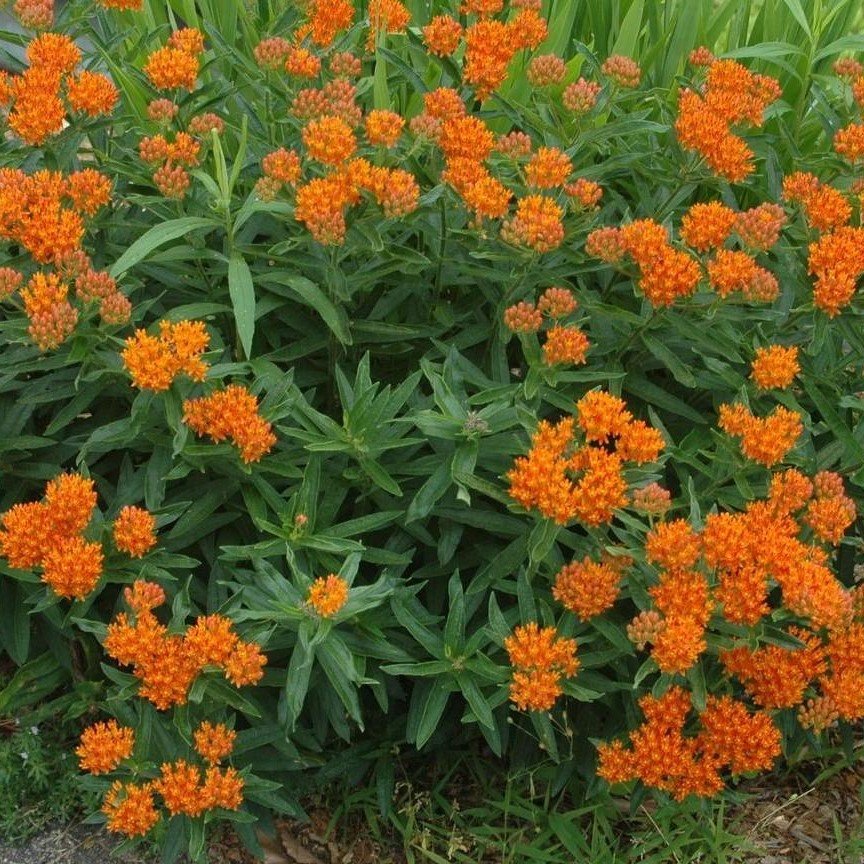
Asclepias tuberosa
Butterfly Weed
A vibrant native perennial attracting pollinators and adding warm seasonal color. Its informal structure integrates well into naturalistic Craftsman borders.
\

Zinnia elegans
‘Benary’s Giant Mix’
Zinnia
An heirloom-style cutting flower with bold, saturated colors. Adds joyful seasonal color reminiscent of early twentieth-century cottage gardens. Gold Finches love Zinnia flowers so be prepared for guests.
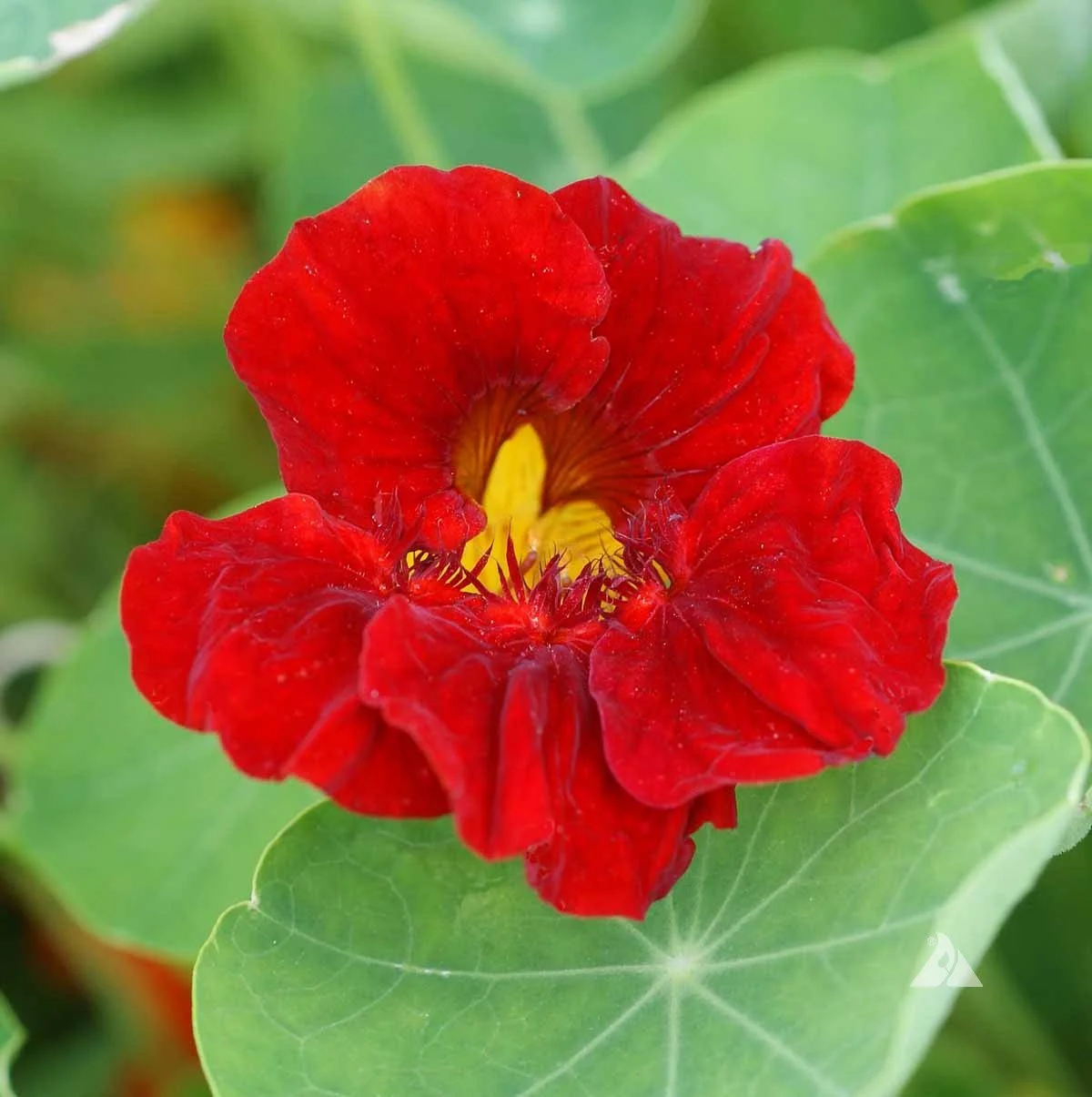
Tropaeolum majus ‘
Empress of India’ Nasturtium
Features striking dark foliage paired with warm scarlet blooms. Ideal spilling from containers, raised beds, or garden edges. Nasturtiums are edible and make a great addition to salads.
\
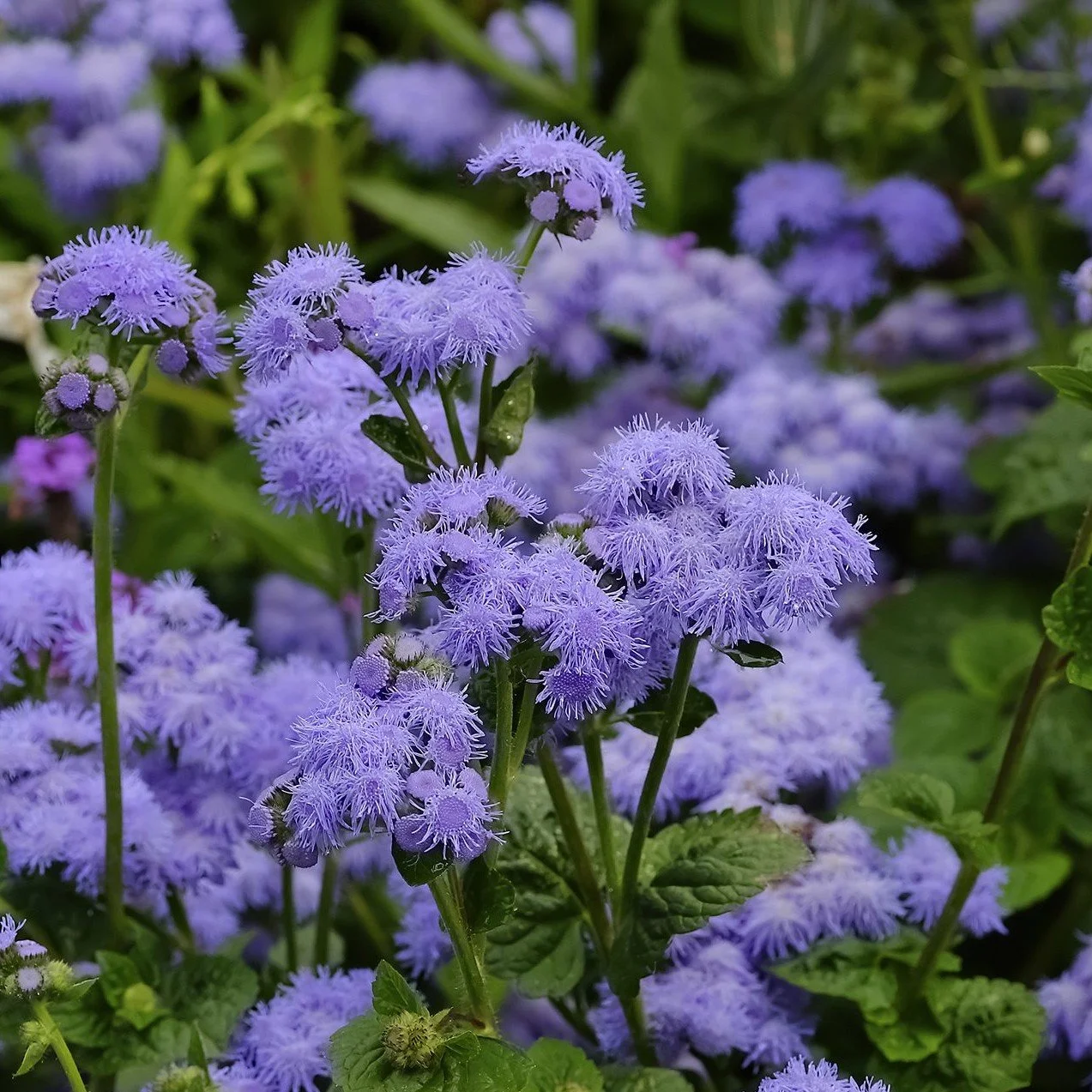
Ageratum houstonianum ‘Blue Horizon’
Floss Flower
Produces soft blue flower clusters that provide cooling contrast to stone and warm wood tones common in Craftsman landscapes.
Many other plants were historically common in Craftsman-era gardens. Japanese quince provides brilliant early spring flowers and strong structural branching. Deutzia continues to be valued for its delicate white blooms and graceful form. Cottage-style flowers such as Shirley poppies, chicory, violas (Johnny jump-ups), gaillardia, phlox paniculata (modern mildew-resistant cultivars such as ‘David’ are recommended), and dianthus were widely planted for seasonal color and fragrance.
Native flowering dogwood (Cornus florida) was considered an essential small tree in early twentieth-century landscapes, offering layered seasonal beauty. Russian sage provided airy texture and drought tolerance, while Rose of Sharon frequently served as an informal flowering hedge.
Perhaps the lasting appeal of the Craftsman garden lies in its quiet honesty. It does not attempt to dominate nature or impress through scale or extravagance. Instead, it invites participation — encouraging homeowners to observe seasonal change, notice wildlife, and engage with the materials and rhythms of the landscape around them.
In many ways, the Craftsman garden feels particularly relevant today. As modern life grows increasingly fast-paced and digital, these landscapes offer something deeply grounding. They remind us that beauty does not need to be elaborate to be meaningful, and that gardens often become most beloved when they feel as though they have grown naturally alongside the homes they surround.
A true Craftsman garden is never fully finished. It evolves slowly, gathering character through time, weather, and careful stewardship. Like the homes that inspired them, these gardens remain enduring symbols of thoughtful design, craftsmanship, and the enduring comfort found in working with nature rather than against it.