
Spilling the Tea
Designing with Muted Antique Palettes
Every year there are new plant introductions, behind this someone, a team of someones who have spent years and years, crossing plants, selecting ,growing, selecting and trying again to bring an idea forward. Modern plant breeding is an act of obsession and science. For example, this year Monrovia introduced a very beautiful deep red Hydrangea and results that are worthy of deep respect. But as designers, these unusual plants often present a challenge. How do we fit a rare beauty into a landscape so it looks intentional and inspired, rather than an oddity?
The Allure of the "Tea-Stained" Palette
Recently I was looking for a Rose for another project, or to be perfectly honest doom scrolling flowers because it was cold out and I miss color. I stopped at a photo of the Koko Loko Rose, which Jackson and Perkins describes as “ the long, full, cocoa-colored buds unfurl into milk chocolate fully double blooms, having 30 to 35 petals that suffuse to lavender. Warm weather brings out the lavender color.” Personally, I love tea-stained plants with muted, antique undertones of caramel, mauve, and bronze. They remind me of old books and big floral dresses. But because of their unusual fall undertones, these plants aren't everyone’s cup of tea. They can be difficult to envision in a traditional garden.
My Favorite Tea Stained Plants:
The "Tea" Flowers
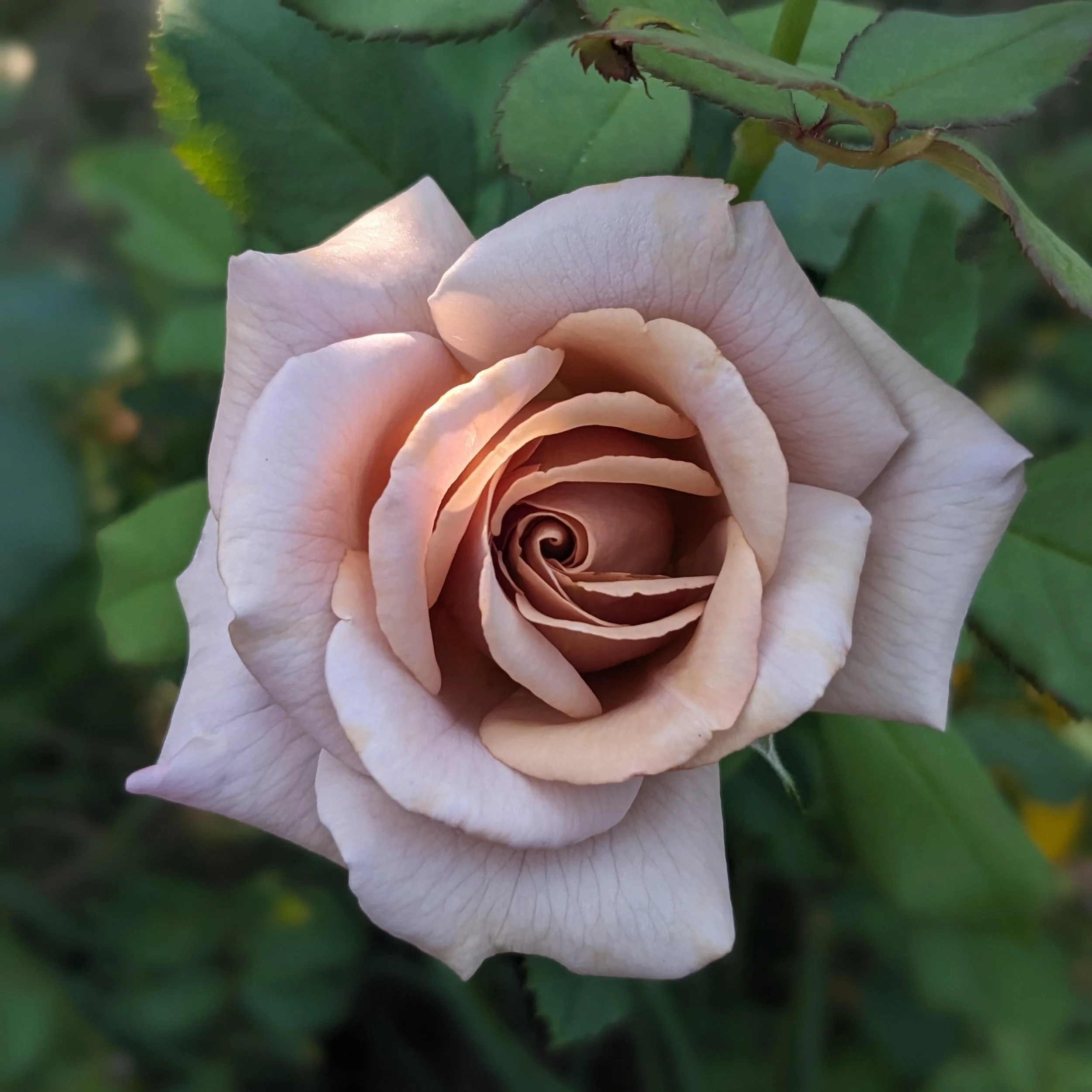
Rose ‘Koko Loko’
Shrub rose
Light: Full sun
Zones: 5–9
An ever-changing bloom that opens in creamy milk chocolate tones and slowly drifts into soft lavender, adding depth and intrigue to neutral garden palettes.
Dahlia ‘KA’s Crème Brûlée’
Tender perennial (grown as an annual in cold climates)
Light: Full sun
Zones: 8–11 (lift tubers in colder zones)
Layered petals in toasted apricot and caramel hues give this dahlia a rich, dessert-like warmth that glows in late-summer light.
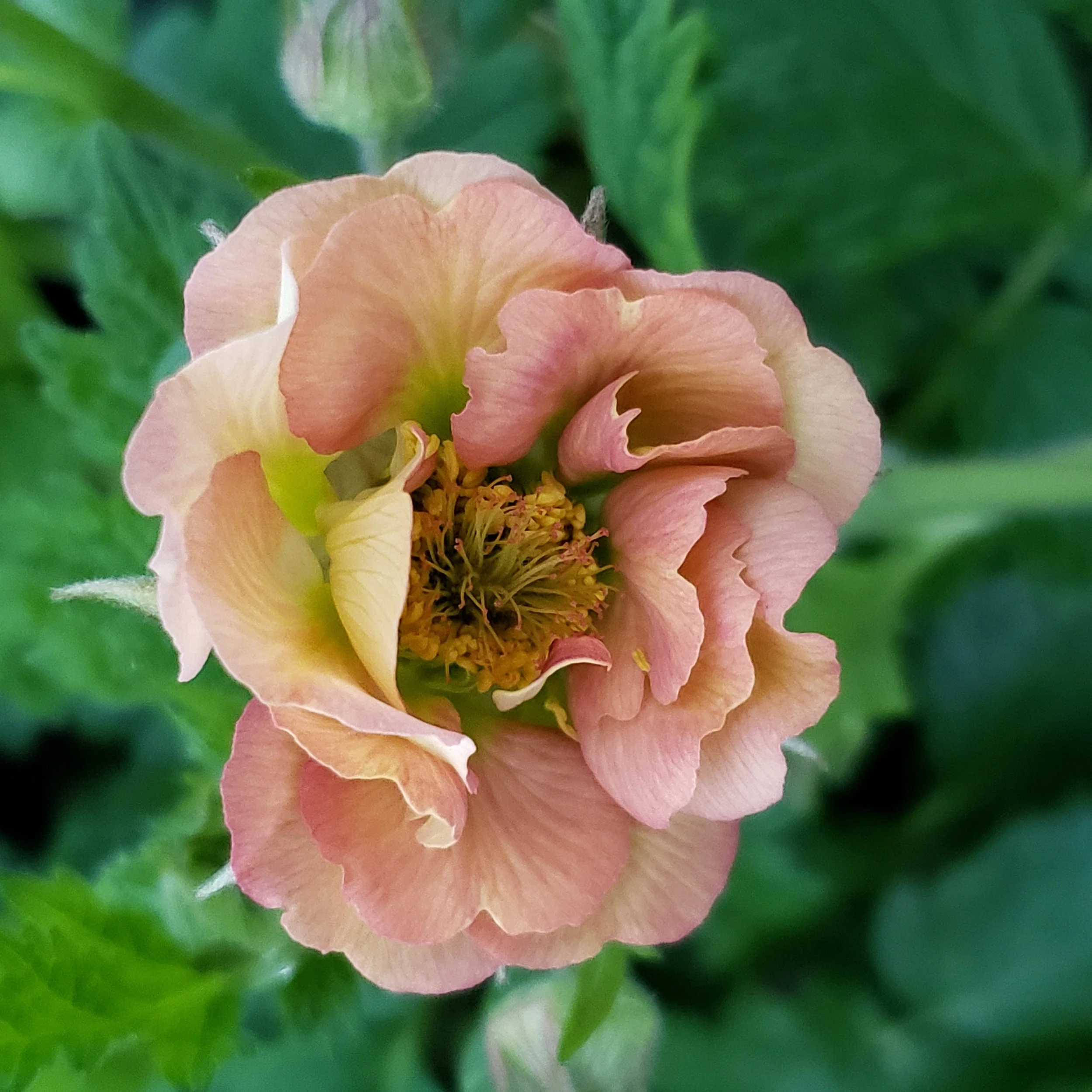
Geum ‘Mai Tai’
Perennial
Light: Full sun to part shade
Zones: 5–9
Ruffled apricot blooms hover on burgundy stems, offering spring color with a soft coppery undertone and excellent movement in borders.
Calycanthus floridus (Carolina Allspice)
Deciduous shrub
Light: Full sun to part shade
Zones: 4–9
Deep, brownish-red, tea-colored flowers appear in spring, releasing a spicy, wine-like fragrance and lending a distinctly old-soul presence to the landscape.
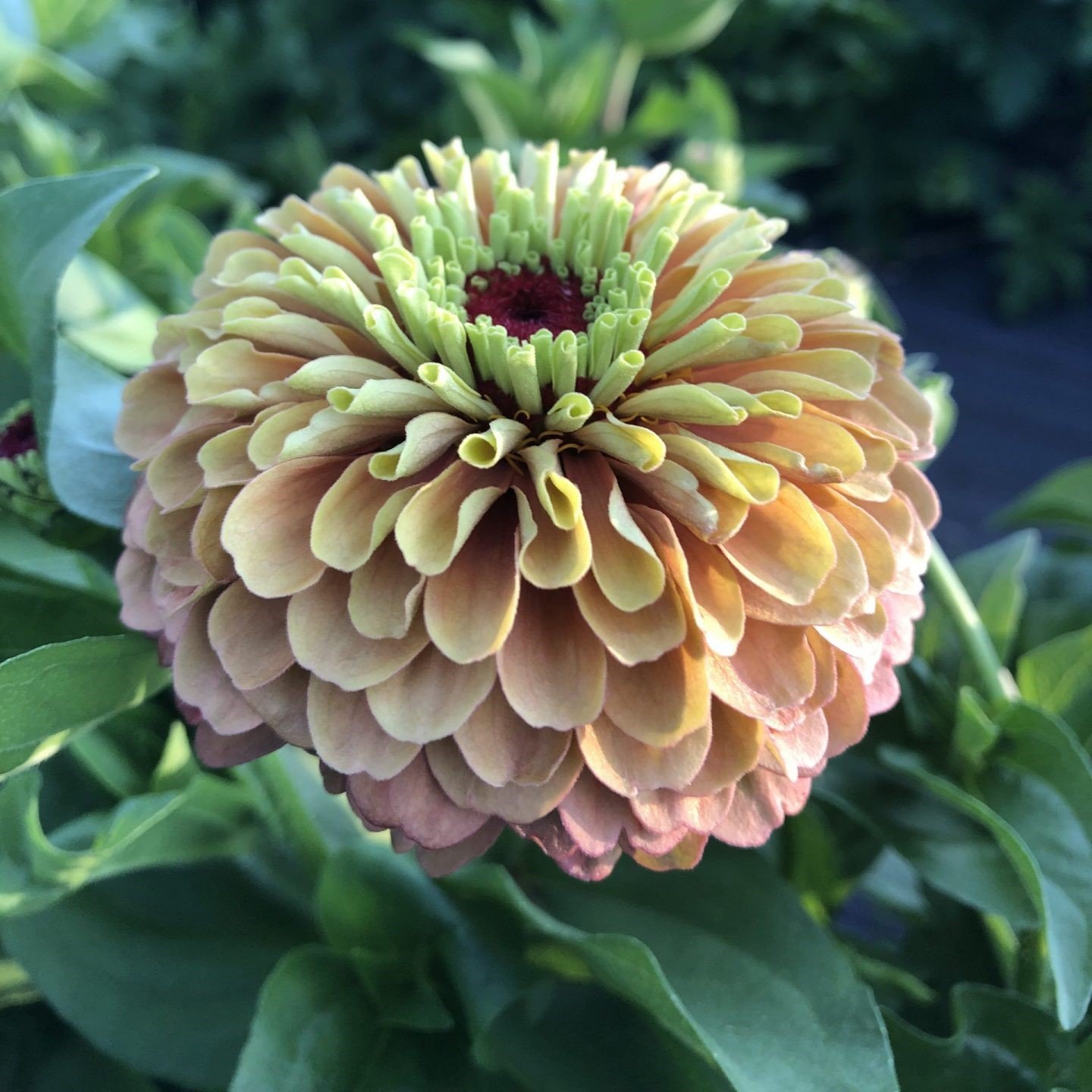
Zinnia elegans ‘Queeny Lime Orange’
Annual
Light: Full sun
Zones: Grown as an annual in all zones
A soft ombré blend of antique lime melting into muted peach and orange, prized for cutting gardens and refined, vintage-inspired plantings.
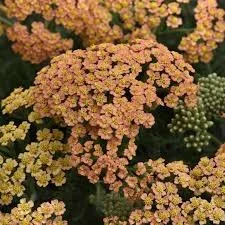
Yarrow ‘New Vintage Terra Cotta’
Perennial
Light: Full sun
Zones: 4–8
Flat-topped blooms shift through clay, rust, and warm blush tones, providing long-lasting color and a dry, sun-baked elegance.
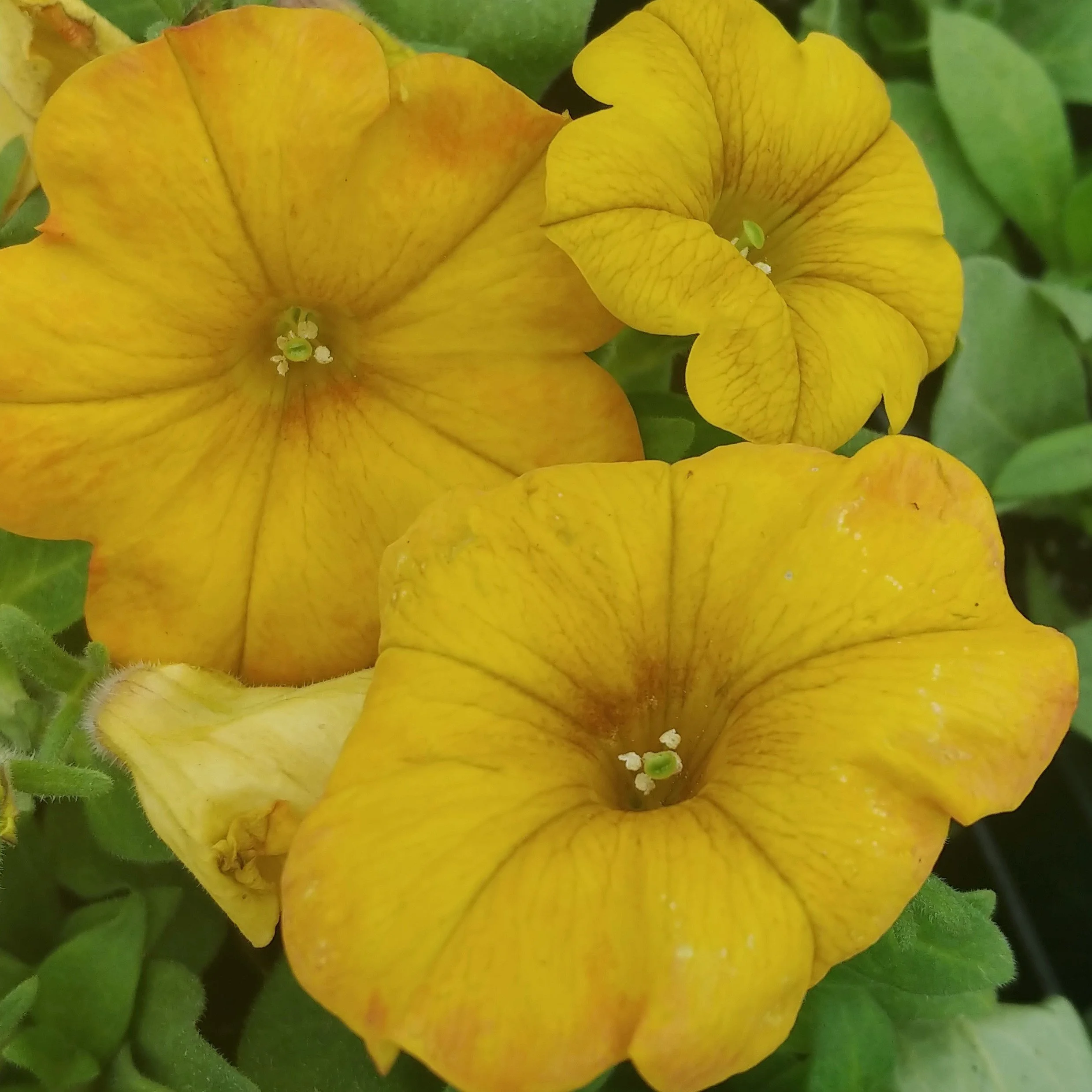
Petchoa Super Cal Premium ‘Yellow Caramel’
Annual
Light: Full sun to part sun
Zones: Grown as an annual in all zones
Velvety golden-yellow flowers brushed with caramel undertones deliver nonstop color and a softly glowing warmth in containers and borders.
Tea-Colored Foliage
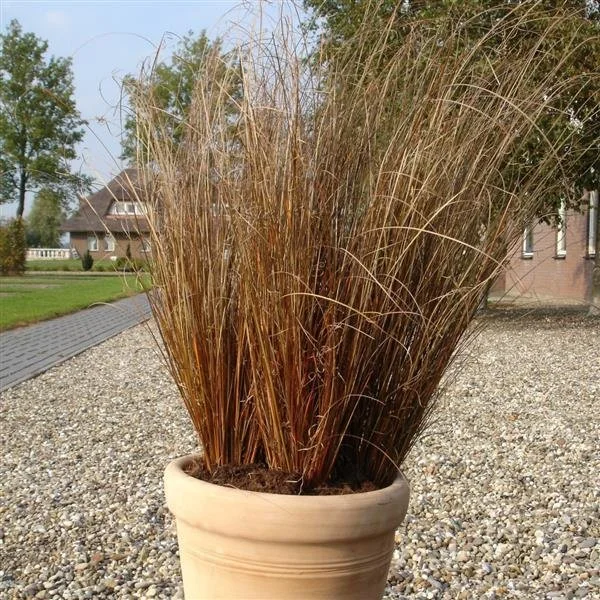
Carex ‘Red Rooster’
Ornamental sedge (perennial grass-like plant)
Light: Full sun to part shade
Zones: 5–9
Fine-textured, arching foliage emerges bronzy red and deepens with the season, adding movement and a soft, burnished undertone to planting schemes.
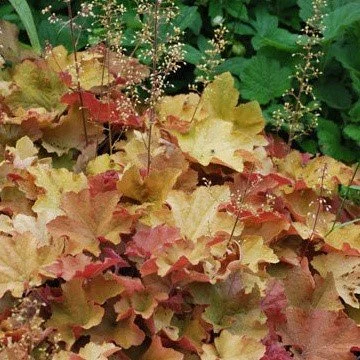
Coral Bells ‘Caramel’
Perennial
Light: Part shade to part sun (best color in light shade)
Zones: 4–9
A durable heuchera with plush leaves in warm honey-apricot tones, offering season-long color and an easy, grounding presence.
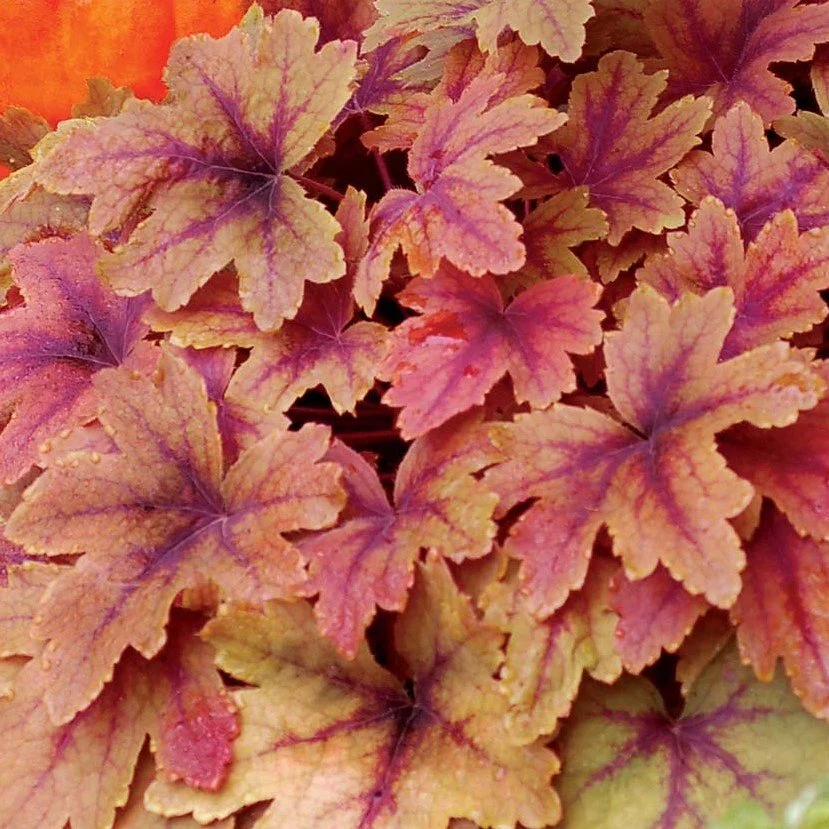
Heucherella ‘Sweet Tea’
Perennial
Light: Part shade to part sun
Zones: 4–9
Large, ruffled leaves in spiced amber, peach, and cinnamon hues bring bold foliage contrast and richness to shaded borders.
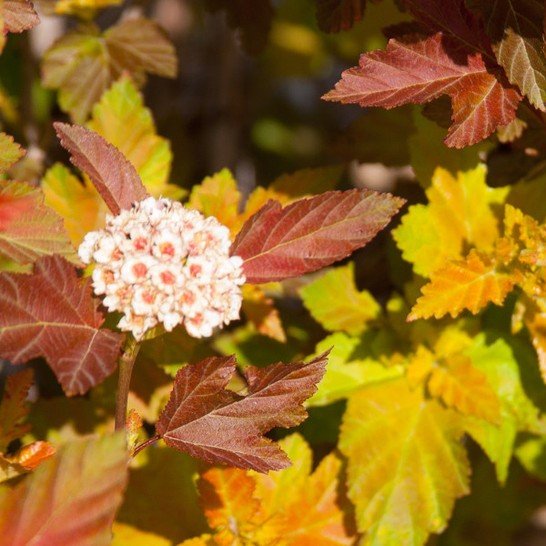
First Editions® Amber Jubilee™ Ninebark
(Physocarpus opulifolius ‘Amber Jubilee’)
Deciduous shrub
Light: Full sun to part shade
Zones: 2–7
Spring growth flushes orange and gold before maturing to chartreuse and green, with exfoliating bark that adds winter interest and strong structural presence.
Designing With Tea-Colored Plants
Unusual color requires restraint. Tea, caramel, and bronze tones sit in a narrow band of the color spectrum, which means they can feel muddy or awkward if they aren’t paired properly. The goal isn’t to soften them, but to frame them so they read as deliberate and sophisticated.
Try to avoid:
Pure white can make these tones appear dull or dirty by comparison.
Primary reds and yellows push the palette firmly into an “autumn harvest” look that feels seasonal rather than timeless.
Pale blues and pinks are often too close in value, causing plants to visually blur instead of stand apart.
To make the colors pop, you have to lean into drama and contrast.
Create a Deep Backdrop
Muted colors need a "foundation" to rest against. Avoid light-colored walls or pale fences. Instead, use:
Dark Greens: A true emerald green, like Cryptomeria Globosa Nana or Euonymus ‘Greenspire’, acts as a velvet stage for tea-colored blooms.
Chunky Blue Evergreens: The steel blue of a Juniper ‘Blue Star’ or a backdrop of ‘Moonglow’ provides a cool-toned anchor.
Going Bold
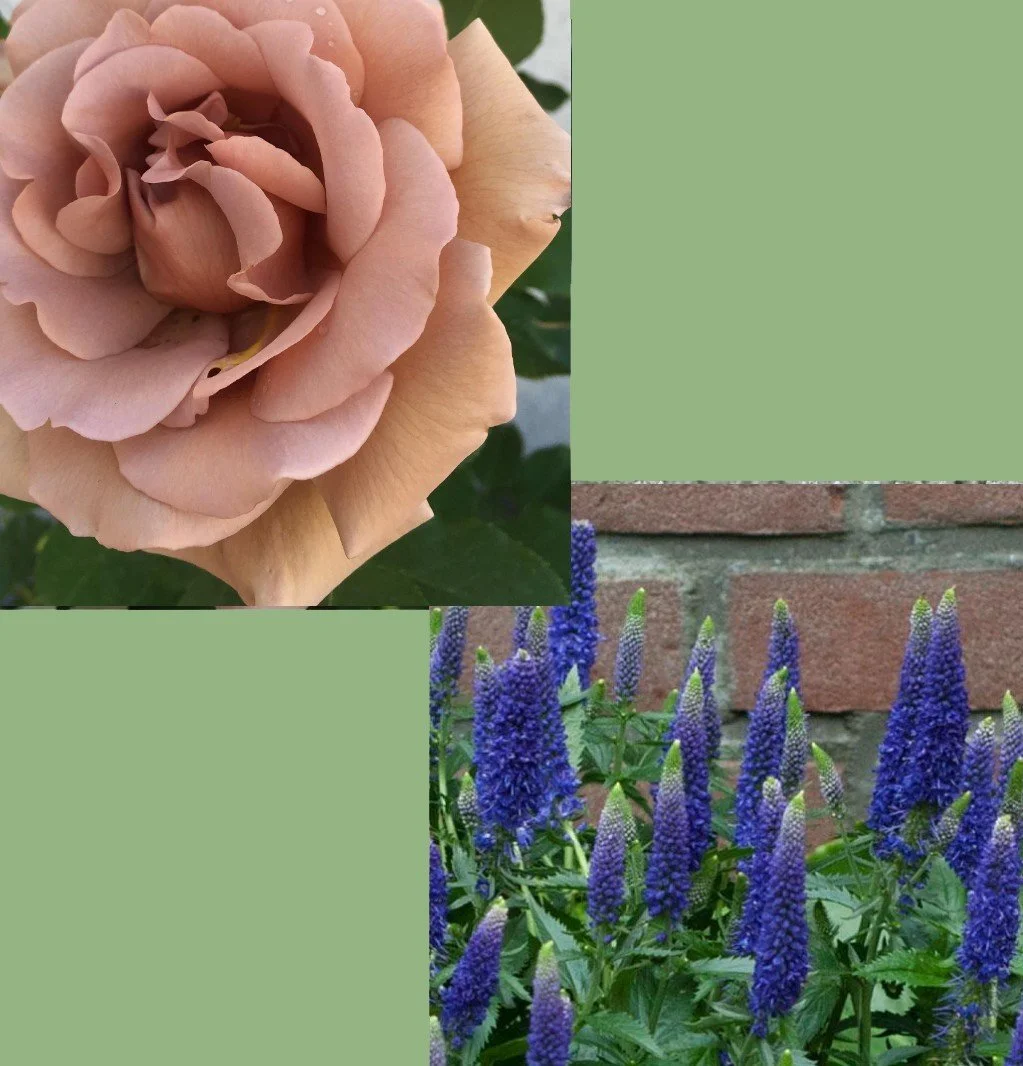
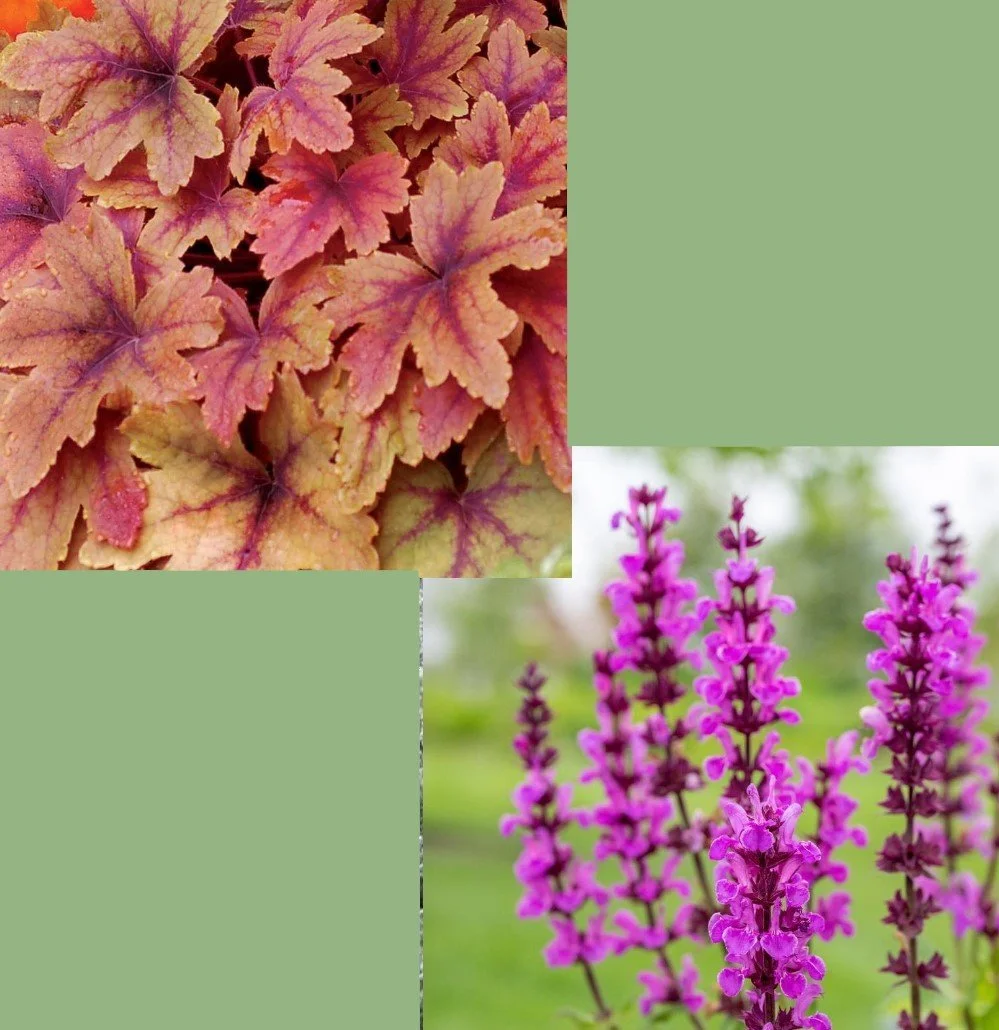
Raspberry and magenta accents work particularly well with tea-colored roses, many of which carry hidden pink or wine undertones. Echoing those notes adds richness without overwhelming the palette.
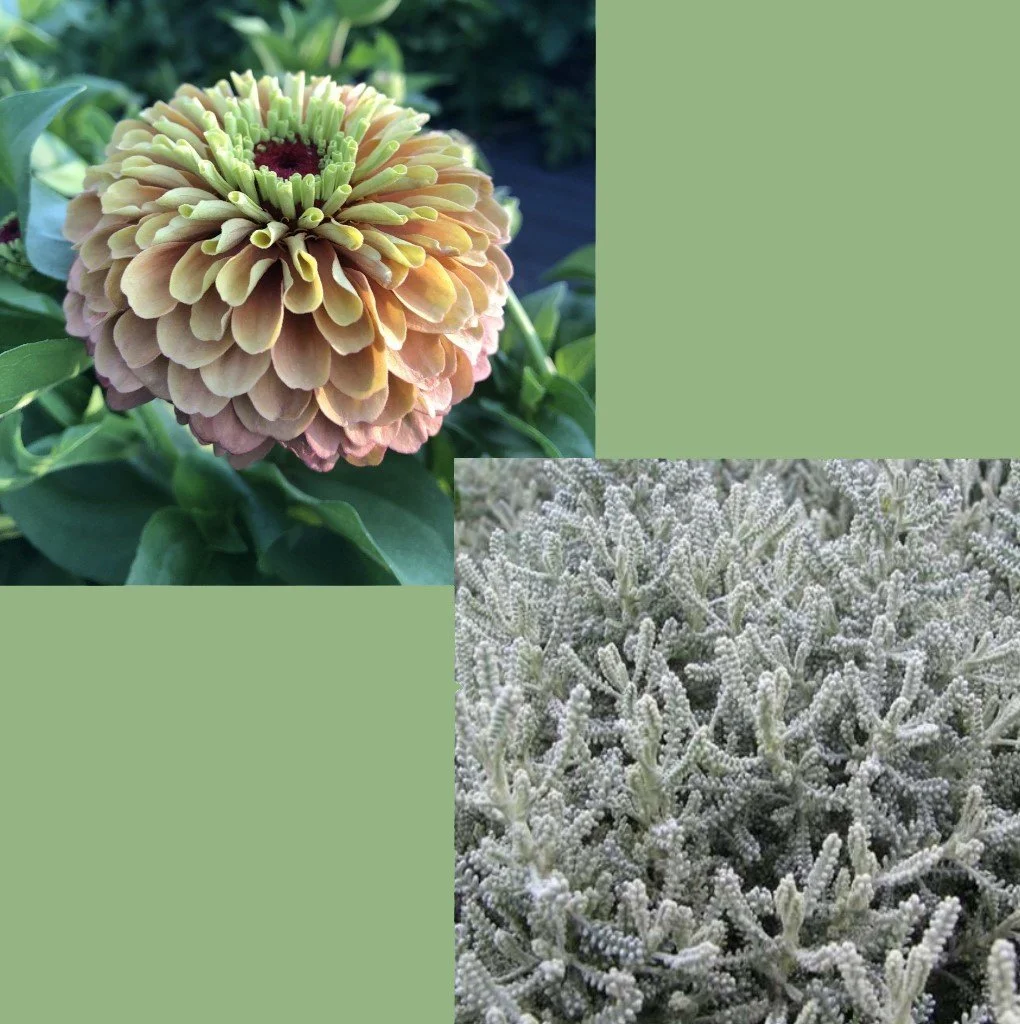
Creating a metallic theme: Santolina (Lavender Cotton) or Artemisia ‘Silver Brocade’. Used sparingly, these metallic silvers make the tea tones feel like fine jewelry.
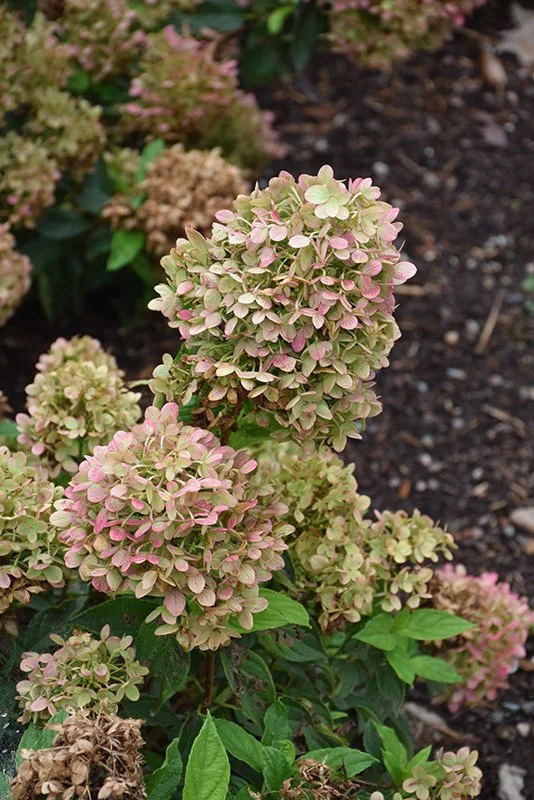
At a distance, use plants that "echo" the antique scheme without copying it exactly.
Hydrangea ‘Little Lime’ or Karl Foerster Feather Reed Grass provide soft, buff-colored textures that tie the composition together from a distance, allowing the individual specimen plants to shine up close.
Designing with tea-colored plants is about more than following a trend, it’s about learning how to combine rare plant colors to create contrast and interest. From bronze foliage and caramel-toned flowers to apricot perennials and antique-hued shrubs, these plants shine when thoughtfully paired with deep green evergreens, cobalt companions, and refined textural accents. Whether you’re building a perennial border, refreshing a foundation planting, or searching for unique plants to add to your garden, curated tea-colored plant combinations offer a timeless, design-forward approach.
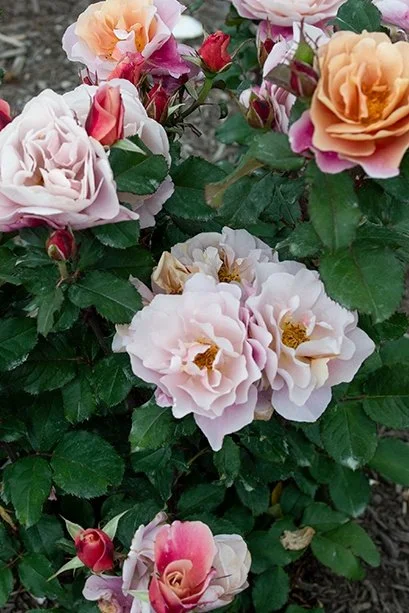
Bring the Antique Palette Home
Ready to start your own tea-stained garden? You can find the cocoa-colored Koko Loko Rose and other heirloom-quality shrubs at Jackson & Perkins. For those dusty, vintage annuals like the Queeny Lime Orange Zinnia, I recommend the artist-designed seed packets at Botanical Interests.
Note: This post contains affiliate links. If you make a purchase through these links, Leaf and Lark may earn a small commission at no extra cost to you—thank you for supporting our garden!