
Living Analog in the Garden
Reconnecting with the Real World Through Propagation, Seeds, and Sketches
My favorite days at the nursery were always the quiet ones. It’s relaxing when you know it’s the kind of day where you could overturn a bucket, turn on the radio, and simply plop down to trim perennials. There was a shared joy in that kind of simplicity, whether it was joking around with coworkers or sharing a watermelon in the heat. In a world dominated by infinite scrolls, push notifications, and algorithmic feeds, we often find ourselves plugged into devices but completely unplugged from the real world. Embracing an analog lifestyle through gardening is a way to reclaim that connection. Living Analog is less about the romance of simpler times and more about creating simplicity and the soul-deep satisfaction of reconnecting with nature instead of being chained to a screen.
The Magic of Cuttings
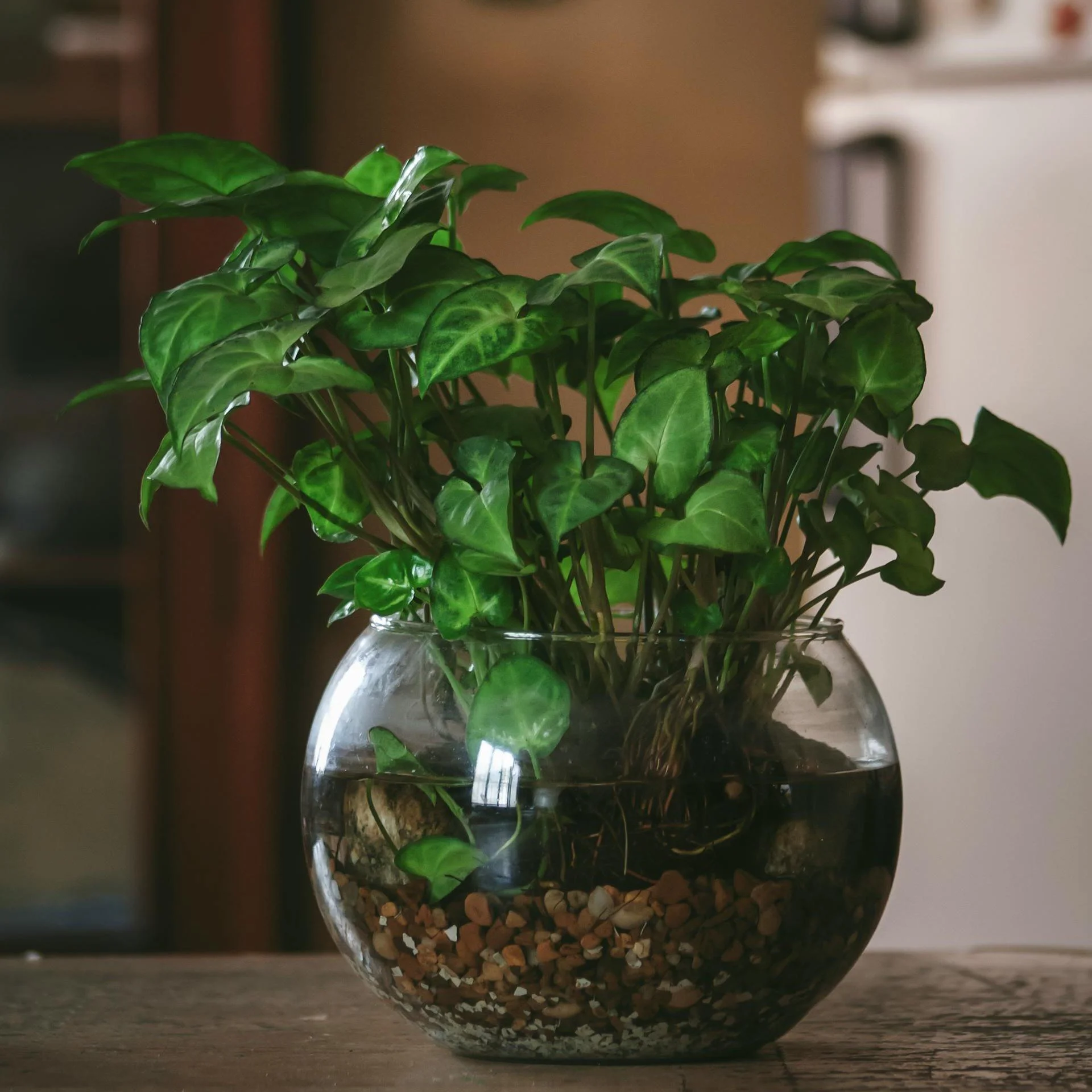
I was in the greenhouse one day and out of the corner of my eye saw a woman clip pieces off a plant and stick them in her purse. She looked at me and said I’m making a present for my friend. She didn’t need to explain, I’ve done it myself. Right now, my kitchen sink is crowded with houseplant cuttings in various stages of evolution. There is a Nephthytis who’s roots have outgrown the jar, spider plants and orchids waiting patiently to be potted, and a Pothos that has practically taken over the refrigerator. Rooting plants is such a fun way to get new plants and share with plant deprived friends. Whether you’re pinching a small piece of a vining houseplant or rooting annuals like basil and coleus, the process is easy. Use light-colored glass jars and repurposed soda lids to hold stems in place, or be elegant with Artisan made propagation jars.. Rooting plants is a throwback to simpler times when friends made gifts, and a tradition that remains a beautiful way to grow a garden from almost nothing.
Patience at the Windowsill
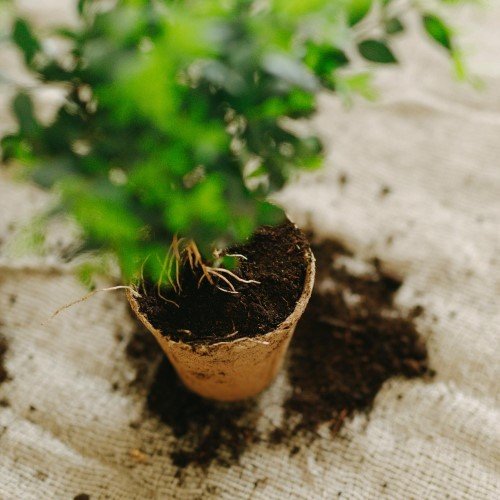
Starting plants from seed takes this slowing down a step further, and requires a level of patience and attention that seems increasingly rare. Starting seedings begins with spending hours browsing seed catalogs, readying trays of peat pellets, and finding a sun-drenched windowsill to catch the light. As you tuck each seed into the damp soil and settle into the routine of misting, you enter a rhythm that ignores the modern demand for instant results. When the first sprouts break through the soil, you’ll take delight in the strength of a stem or the surprising speed of a new leaf. The life that begins on a humble windowsill will be something you proudly point out to your friends - “Aren’t my delphiniums gorgeous? I grew them from seed.”
Recording the Season
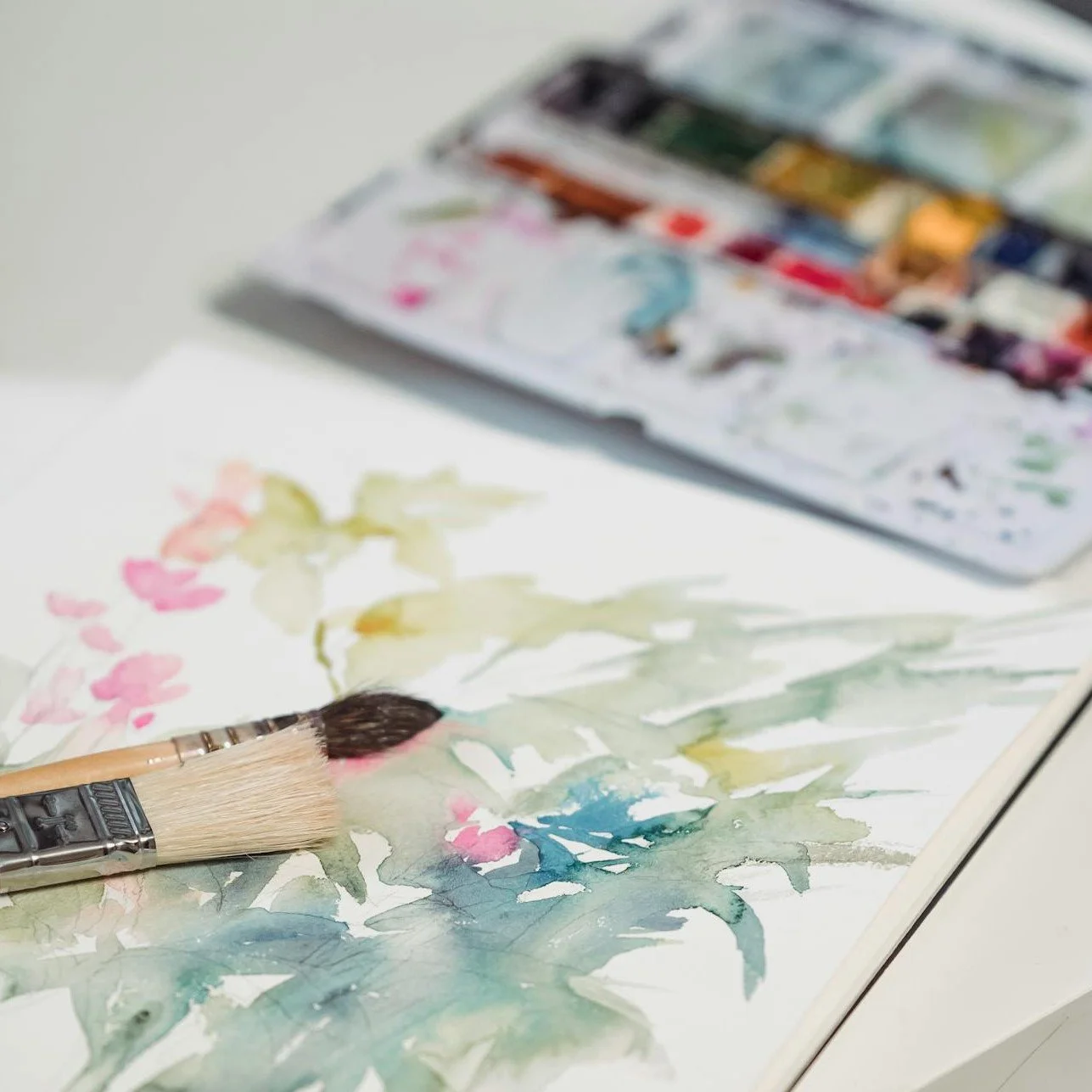
To truly capture the analog experience, I recommend keeping a quiet, creative garden journal. As someone who has always communicated through drawing, sketching, and note scrawling: I can tell you journaling is a lovely way to reconnect with yourself. I find that sketching a leaf or making notes about a garden idea helps me to unwind. A garden journal doesn't need complex charts or over the top drawings; it’s simply a place to record what you notice. Some days you might write a single sentence, and other days you might leave the page blank. By documenting when a plant first sprouted or how it’s doing, the journal becomes a way to remember the season rather than manage it. Let the pencil smudges and imperfect drawings stay. This is a space meant to be lived in, not perfected. Make it stand out
Gardening in any form is the ultimate analog lifestyle as it is profoundly human and grounding. Seed starting invites you into the season early, while journaling helps you stay creative and present. This quiet creative practice transforms the act of growing into a journey from seed to page. By choosing to step away from the digital noise and into the garden, you aren't just growing plants; you are cultivating a more mindful way of being. It is a simple, beautiful invitation to slow down and let yourself grow alongside your garden. Ready to slow down and grow alongside your garden? If you’re inspired to begin your own analog journey, I’ve found that starting with good supplies makes all the difference. Here are the resources I use and love:
Botanical Interests: offers over 600 varieties of high-quality, Non-GMO seeds, but they are most loved for their beautiful, hand-painted botanical illustrations. Each packet is a mini-encyclopedia, featuring stunning artwork on the outside and detailed historical facts and growing tips printed on the inside. They a company that puts an incredible amount of love into every aspect of their product.
Wanderings Watercolor Journal: To truly capture the analog experience, I absolutely love this Journal. Handcrafted from supple blue leather,, it features 100 pages of thick, 350 GSM handmade cotton paper. The beautiful deckle edges and cold-press texture make every sketch or observation feel like a timeless artifact.
Coco Coir Pellets: Made from renewable coconut husks, making them an eco-friendly alternative to peat moss. The pellets are compressed planting media pressed lightweight discs that are easy to store and expand when water is added. When seedlings are ready, you can transplant the entire pellet directly into a larger pot or your garden, which avoids disturbing the root systems.
Window Sill Trays: I like these due to the size and and thickness. Standard plack plastic grower trays are hard to store and they don’t seem to fit anywhere. These are perfect for a windowsill, have deep sides and and a nice aesthetic.
Note: This post contains affiliate links, and I may earn a small commission at no extra cost to you.